- February 26, 2026
- Jessica Holwick
Accessible Design Is Really Just Thoughtful, Modern Luxury
When people hear the term accessible design, a lot of assumptions come up.
They picture something clinical. Institutional. Something they’ll “deal with later” if they have to.
But that’s not how we think about it at all.
To us, accessible design is really about designing homes that support real life over time. Homes that feel comfortable now and continue to feel comfortable as needs change. And when it’s done well, it doesn’t look like a compromise. It looks and feels luxurious.
Accessible design is quietly needed in almost every household.
Every family eventually encounters mobility, vision, or physical challenges at some stage.
Why: A knee surgery, aging parents visiting, carrying a stroller through a doorway—accessibility benefits everyone.
More and more of our clients are asking for homes that are flexible and can grow with them, not against them. It’s about building in flexibility, ease, and comfort from the beginning in a renovation or new build.
What Accessible Design Actually Means
Accessible design isn’t about making a home look or feel different. It’s about removing unnecessary friction.
At its core, accessible design means:
- Moving through a home easily and comfortably
- Reducing physical strain during everyday tasks
- Designing spaces that work well for a wide range of abilities and stages of life
“At RDB, we believe good accessible design is— smart, luxury design. It shouldn’t be complicated or obvious but it does need to be intentional. The result should feel elevated, seamless, and incredibly functional.
The best new homes and remodels function beautifully for everyone: aging adults, families with young children, guests, and homeowners planning to live in place for decades.”
When accessibility is considered early, it gets integrated seamlessly into the design. That’s one of the biggest reasons we believe accessible design belongs in the design phase, not as an afterthought.
Good accessible design doesn’t announce itself. You just notice that the home feels easier to live in.
Why Designing for the Future Matters More Than Ever
Most of the people we work with aren’t designing homes for just one chapter of life.
They’re thinking ahead.
Kids growing up. Parents aging. Work routines changing. Spending more time at home. Wanting to stay in a house longer instead of moving again.
Homes designed only for the present moment often start to feel restrictive later. Stairs become a challenge. Narrow doorways feel tight. Bathrooms stop functioning well. Rooms don’t adapt easily.
When a home is designed with flexibility in mind, those transitions feel much smoother. You’re not forced into major renovations just to stay comfortable.
That kind of foresight isn’t limiting. It’s freeing.
Why Accessible Design Is Luxury Design
Luxury today isn’t about excess. It’s about ease, living life comfortably.
Accessible design aligns perfectly with that shift.
Features that support accessibility also happen to be some of the most high-end, desirable elements in modern homes. Things like:
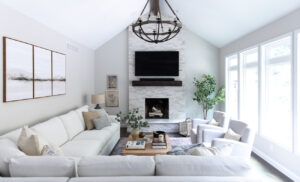
- Wider doorways and hallways that feel open and generous
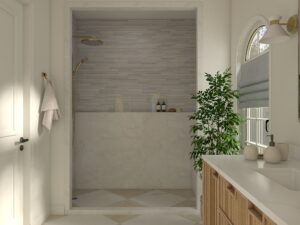
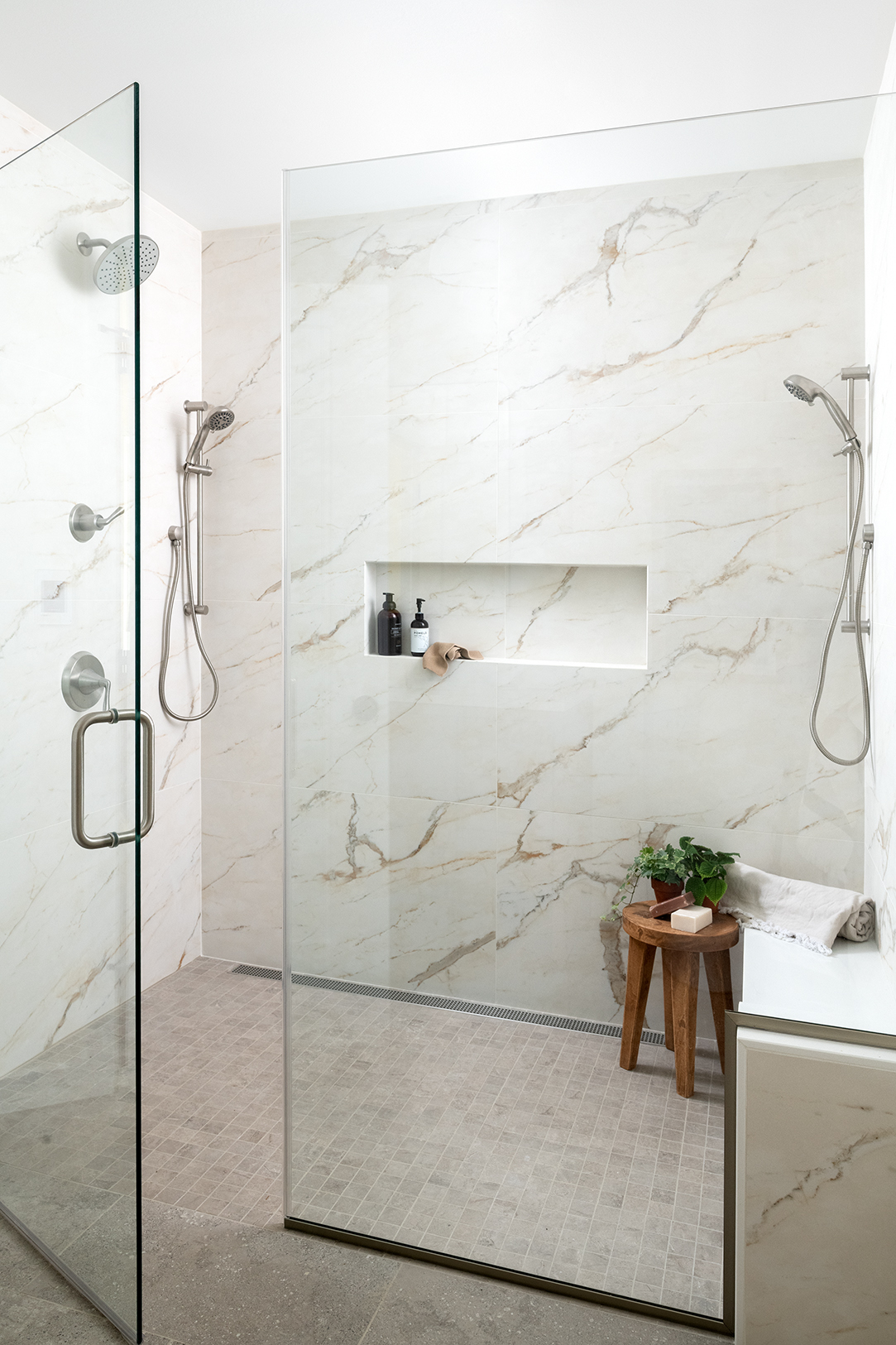
- Zero-threshold showers that look clean and seamless
- Curbless entries that improve flow
- Well-placed lighting that reduces eye strain
- Thoughtful storage that reduces bending and reaching
- Main-level living that simplifies daily routines
None of these features scream “accessibility.” They just make a home feel and function better.
Luxury is being able to move through your home comfortably without thinking about it. That’s exactly what accessible design supports.
Features That Feel High-End and Age Well
One of the things we love about accessible design is that it tends to age beautifully.
Some examples we incorporate often:
Main-Level Living
Primary suites, laundry, and everyday spaces on the first floor reduce reliance on stairs and make daily life easier. This is one of the most requested features we see, and it’s a huge quality-of-life upgrade.
Zero-Threshold Showers
These look sleek and modern while being easier to enter and safer to use. When designed well, they feel spa-like, not clinical.
Wider Circulation Paths
Hallways and doorways that allow comfortable movement also make homes feel more open and less cramped.
Thoughtful Hardware and Controls
Lever handles, easy-to-reach switches, and intuitive layouts reduce physical strain without changing the look of the space.
Flexible Rooms
Spaces that can shift from office to guest room to caregiver suite allow homes to adapt without major renovations.
These choices don’t limit design. They elevate it.
Accessible Design Is About Respecting Real Life
At the heart of this approach is respect.
Respect for how people actually live. Respect for changing bodies. Respect for the fact that most of us want to stay in our homes longer if we can.
Accessible design acknowledges that life isn’t static. And designing for that reality from the start is one of the smartest, most caring decisions homeowners can make.
When clients tell us they want a home that feels comfortable, welcoming, and easy to live in long term, this is what they’re really asking for.
Final Thought
Designing a home that grows with you doesn’t mean giving anything up.
It means gaining flexibility, comfort, and confidence in the future.
Accessible design, when done thoughtfully, is simply good design. And in today’s world, that’s what luxury really looks like.
Inquire about your project
"*" indicates required fields